What happens to an annuity when you die depends on how the contract was set up.
Some annuities are designed strictly to provide income for your lifetime, meaning payments stop when you pass away. Others include guarantees or death benefits that allow remaining value or future payments to go to a beneficiary. The outcome isn’t automatic — it’s determined by the choices made when the annuity was purchased.
This is why two people can own annuities from the same insurance company and have completely different outcomes for their families.
What Factors Determine What Happens to an Annuity After Death?
Several factors work together to determine what happens next. Understanding these helps remove much of the confusion surrounding annuities and inheritance.
Key factors include:
- The type of annuity (immediate or deferred)
- Whether income payments had started
- The payout option selected
- Whether a beneficiary was named
- Any riders or guarantees added to the contract
While annuity type matters, payout structure often plays the biggest role in determining whether value passes on or stops.
What Happens to an Immediate Annuity When You Die?
Immediate annuities begin paying income shortly after purchase, often to help cover living expenses in retirement. Because they focus on income rather than account growth, outcomes at death vary significantly.
- Single-life annuity
- Payments stop when the annuitant dies. No remaining value is paid to heirs.
- Life with period certain
- Payments continue to a beneficiary for the remainder of the guaranteed period.
- Joint-and-survivor annuity
- Payments continue for the lifetime of the surviving spouse.
Common Immediate Annuity Outcomes
Why This Matters: Higher monthly income usually comes with fewer survivor benefits. Many retirees knowingly accept this trade-off, while others later realize they wanted more protection for loved ones. In those cases, exploring different payout options or using a deferred annuity for legacy planning may better align with those goals.
Real-Life Example: Immediate Annuity Payouts After Death
Consider two retirees who each purchase an immediate annuity with the same premium amount.
- David chooses a single-life annuity to maximize income. When he dies, payments stop.
- Susan chooses life with a 20-year period certain. She dies after eight years, and her beneficiary continues receiving payments for the remaining 12 years.
Both decisions were valid, but they served very different priorities.
What Happens to a Deferred Annuity When You Die?
Deferred annuities usually pass value to beneficiaries if income hasn’t started.
Because deferred annuities are designed for future income, they function more like an account during the accumulation phase. If the owner dies before income begins, the remaining value typically transfers directly to the named beneficiary.
In most cases, this transfer does not go through probate, which can help beneficiaries receive funds more quickly and with fewer legal steps. How the money is taxed depends on how the annuity was funded. With non-qualified annuities, beneficiaries generally owe taxes only on the earnings portion, not the original premium. Qualified annuities are usually taxed as ordinary income.
For many people, deferred annuities offer a balance of retirement flexibility and built-in beneficiary protection, making them useful for both long-term planning and legacy goals.
What If You Die After Deferred Annuity Income Begins?
Once income starts, the payout option controls what happens next.
After income payments begin, the annuity no longer works like an account. Instead, payments follow the payout structure selected at the start of income.
Some payout options are designed to provide income only for the annuitant’s lifetime, meaning payments stop at death. Others include guarantees that allow payments to continue for a set period or for the lifetime of a surviving spouse.
Because most payout decisions are permanent once income begins, reviewing these options ahead of time is critical. The choice you make determines whether income ends with you or continues for someone you care about.

Compare Your Options Before You Decide
What Do Annuity Beneficiaries Receive After Death?
Beneficiaries receive value based on the annuity’s payout structure.
Annuities don’t pass to heirs the same way bank accounts or investments do. What beneficiaries receive depends on the guarantees and distribution rules built into the contract.
Common outcomes include:
- A lump-sum payout
- Payments over a fixed time period
- Continued income under an existing guarantee
For non-qualified annuities, beneficiaries typically owe taxes only on the earnings portion. The original premium is usually returned tax-free, which surprises many people who assume annuities are fully taxable.
How Annuities Can Protect a Spouse After Death
Many annuities are designed with spousal income protection in mind.
Couples often rely on annuity income to cover essential expenses, which makes continuity especially important if one spouse passes away. Certain payout options are built specifically to address this concern.
Common spousal protection features include:
- Joint-and-survivor payouts that continue for the surviving spouse’s lifetime
- Life with period certain options that guarantee payments for a minimum number of years
- Refund guarantees that return unused premium value
These options typically result in slightly lower monthly income upfront, but many couples accept that trade-off for long-term security.
I sold an annuity to a married couple last year and the annuity was jointly owned by both spouses. The husband died recently, and the wife assumed full single ownership of the annuity contract. The insurance company knew about it before she could tell them and sent her the paperwork to sign. In the case of an individually owned annuity, the beneficiary would get the proceeds. If it is an IRA, then the spouse could assume the contract as well.
John Stevenson, CFFOwner and Advisor at Stevenson Retirement SolutionsJohn Stevenson, a Certified Financial Fiduciary®️, specializes in securing retirements with tax-free accounts. With a focus on guaranteed retirement, he’s ensured none of his clients suffer from market fluctuations. As a renowned educator and podcast host, John empowers thousands weekly, sharing his expertise in minimizing taxes and protecting against financial downturns.

Do Annuities Go Through Probate?
Most annuities avoid probate if beneficiaries are named.
When an annuity has a properly named beneficiary, funds or income generally transfer directly to that person. This often allows for faster access and fewer legal steps during an already difficult time.
If no beneficiary is listed:
- The annuity may become part of the estate
- Probate delays can occur
- Distribution may become more complicated for heirs
Regularly reviewing beneficiary designations is one of the simplest ways to ensure your annuity works as intended after death.
How To Find Out What Will Happen to Your Annuity
Because every annuity is different, reviewing your specific terms is essential. Start by confirming your payout option and beneficiary designations, then identify which guarantees apply.
Helpful next steps may include:
- Learning how different annuity payout options work
- Comparing income-focused choices with legacy-focused options
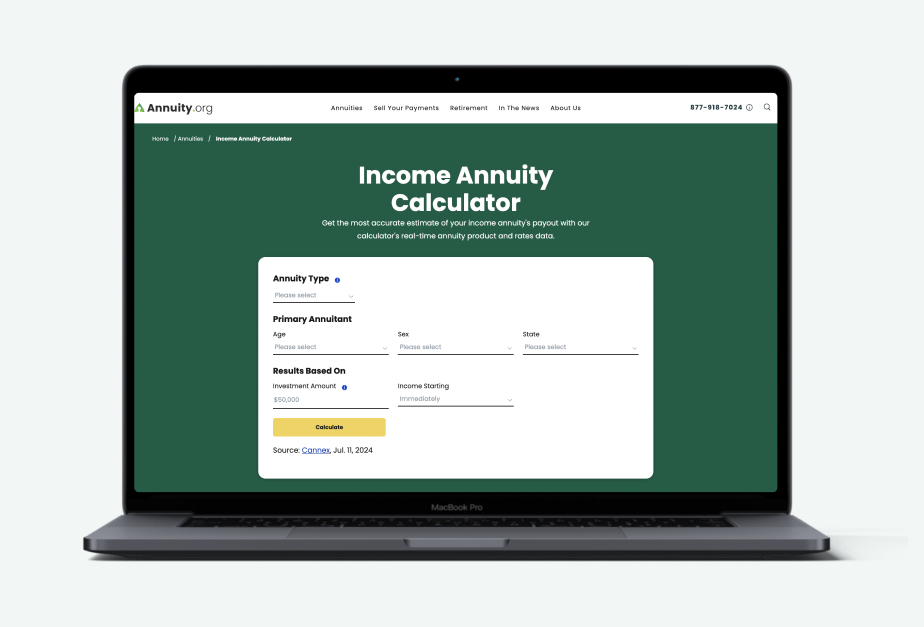
- Using an annuity calculator to explore real scenarios
- Speaking with a licensed annuity specialist for guidance
These steps help replace uncertainty with understanding, without pressure.